Gain Access asexual vs sexual reproduction prime viewing. Without subscription fees on our visual library. Get captivated by in a large database of series brought to you in superb video, excellent for premium streaming geeks. With trending videos, you’ll always stay updated. See asexual vs sexual reproduction selected streaming in stunning resolution for a highly fascinating experience. Register for our network today to see solely available premium media with without any fees, no sign-up needed. Look forward to constant updates and discover a universe of bespoke user media produced for top-tier media buffs. Don't forget to get unique videos—get it in seconds! Witness the ultimate asexual vs sexual reproduction original artist media with amazing visuals and select recommendations.
What's the difference between asexual reproduction and sexual reproduction Additionally, we will look at different reproductive strategies using examples from both insects and plants While asexual reproduction only involves one organism, sexual reproduction requires both a male and a female
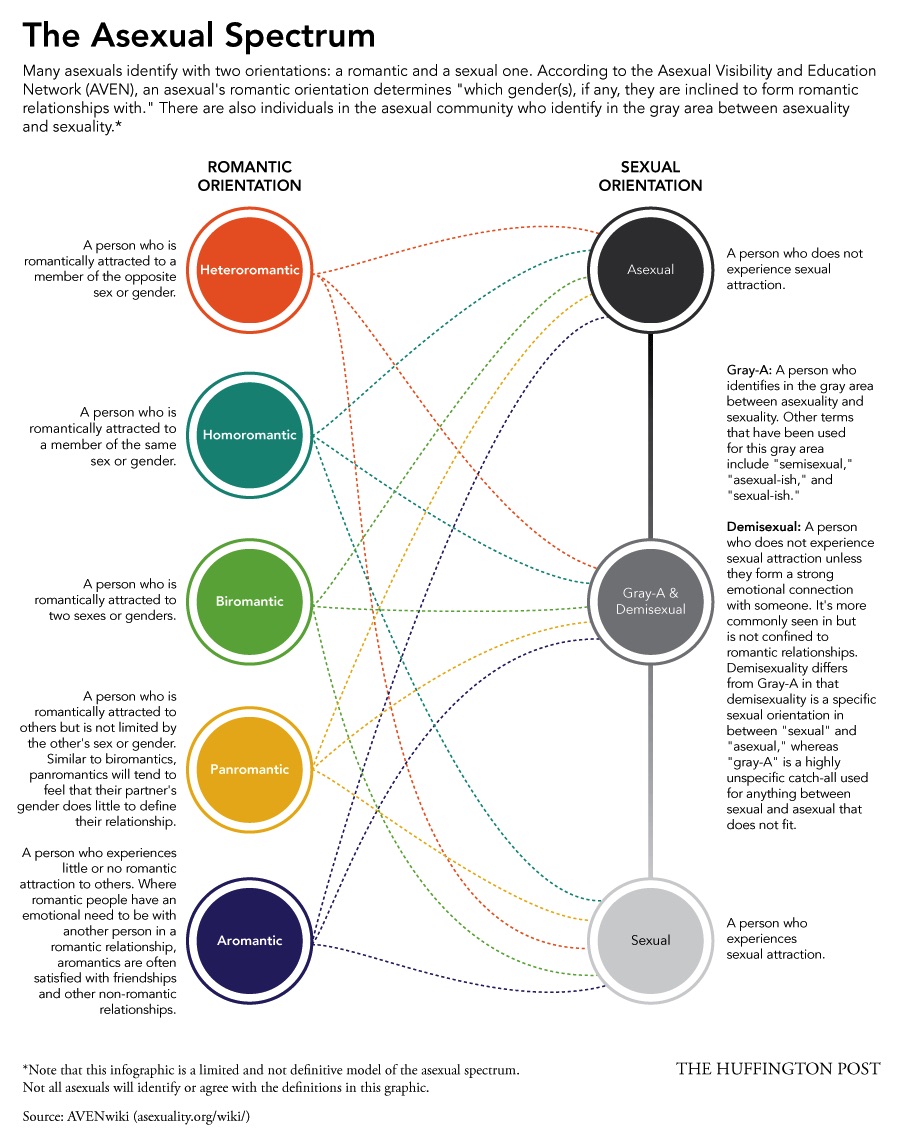
What is asexual? Here's the asexual spectrum, an asexual quiz
Some plants and unicellular organisms reproduce asexually In this guide, we will explore the differences between sexual and asexual reproduction, comparing their advantages and disadvantages Most mammals and fish use sexual reproduction
Some organisms like corals and komodo dr.
Sexual and asexual reproduction have advantages and disadvantages—which is why some organisms do both Click or tap an organism below After reading a description, you'll get to vote on whether you think the organism reproduces sexually, asexually, or both How well do you know your reproductive strategies?
Asexual reproduction definition asexual reproduction is a mode of reproduction that occurs without the fusion of gametes and doesn’t involve the exchange of genetic information, resulting in offsprings identical to their parents Asexual reproduction in living beings is characterized by the absence of male and female gametes and the lack of change in the number of chromosomes in the. Asexual reproduction creates identical offspring from one parent, with diversity mainly from mutations Sexual reproduction combines genes from two parents, ensuring diverse and unique offspring

Sexual reproduction promotes genetic diversity, which is essential for evolution through natural selection.
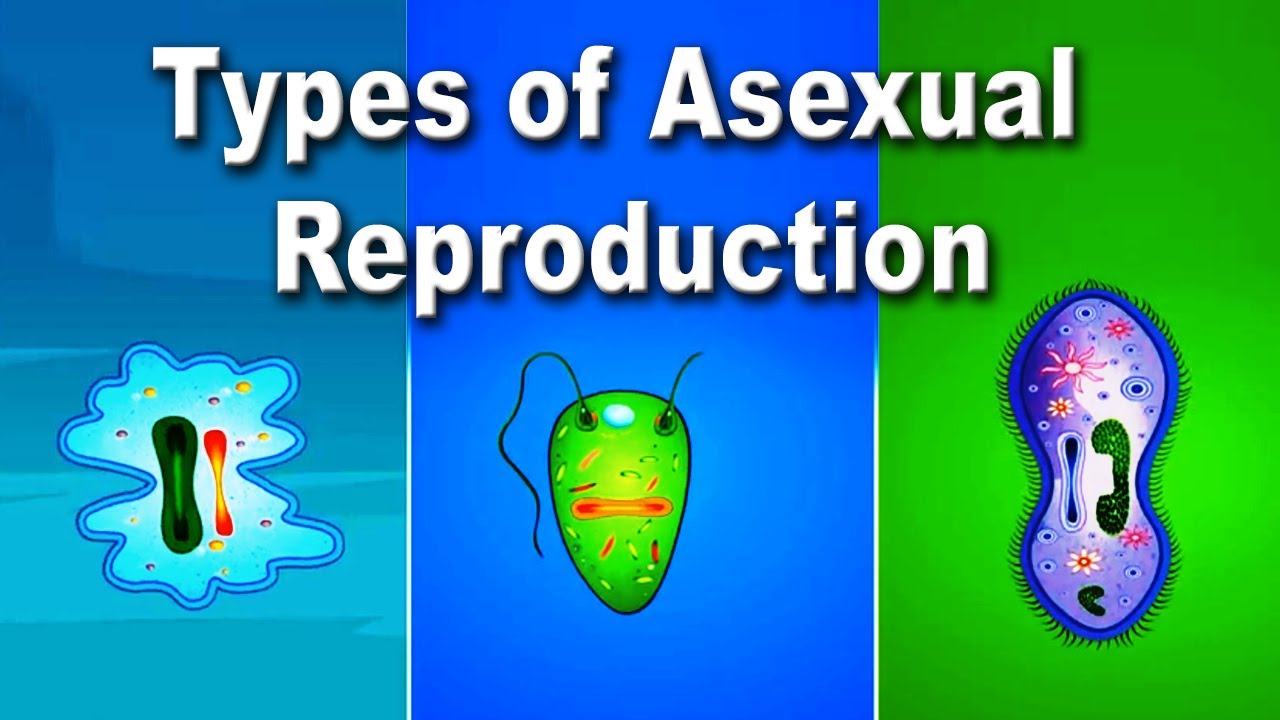
Asexual reproduction can occur through various mechanisms, including binary fission in bacteria, budding in yeast, and vegetative propagation in plants For instance, when a plant produces runners or offsets, it is essentially creating new individuals that are genetically identical to the parent plant. In national 4 biology learn how bacteria and plants reproduce asexually and how sexual reproduction in plants and animals introduces variation.