Begin Your Journey salome gil leaked VIP digital broadcasting. Gratis access on our content hub. Get lost in in a sprawling library of clips on offer in best resolution, flawless for dedicated viewing connoisseurs. With brand-new content, you’ll always be ahead of the curve. Discover salome gil leaked recommended streaming in stunning resolution for a truly captivating experience. Hop on board our content collection today to see unique top-tier videos with no payment needed, no need to subscribe. Experience new uploads regularly and experience a plethora of one-of-a-kind creator videos crafted for choice media addicts. Be sure to check out exclusive clips—get it in seconds! Access the best of salome gil leaked visionary original content with rich colors and selections.
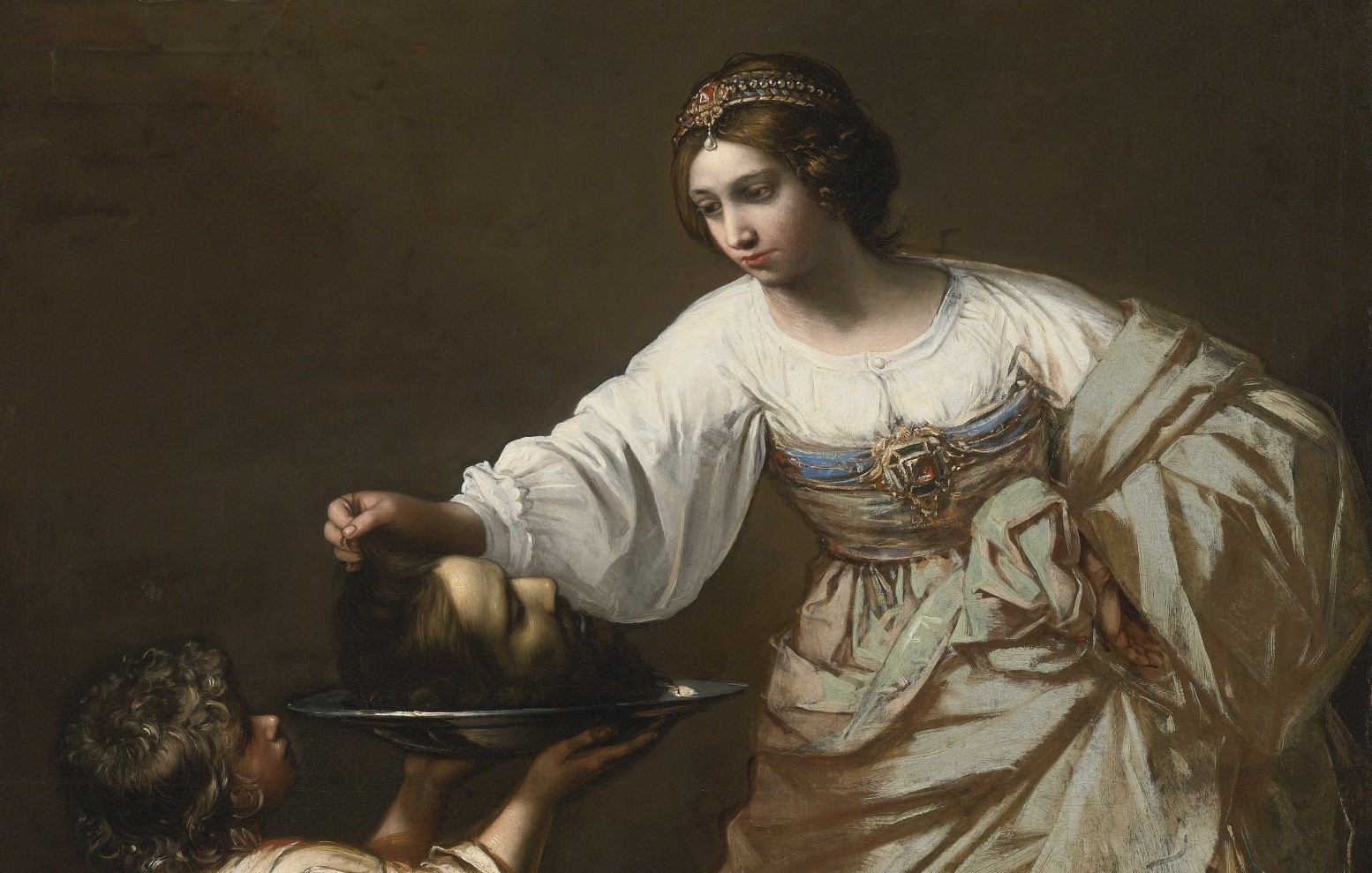
Salome is commonly identified with the daughter of herodias who, according to accounts in the gospel of mark and the gospel of matthew, danced for herod antipas She is often considered to be the mother of the apostles james and john, the sons of zebedee. In his jewish antiquities, josephus mentions marriages and children of the daughter of herodias named salome.
Salome - The Princess's infamous dance of death - History of Royal Women
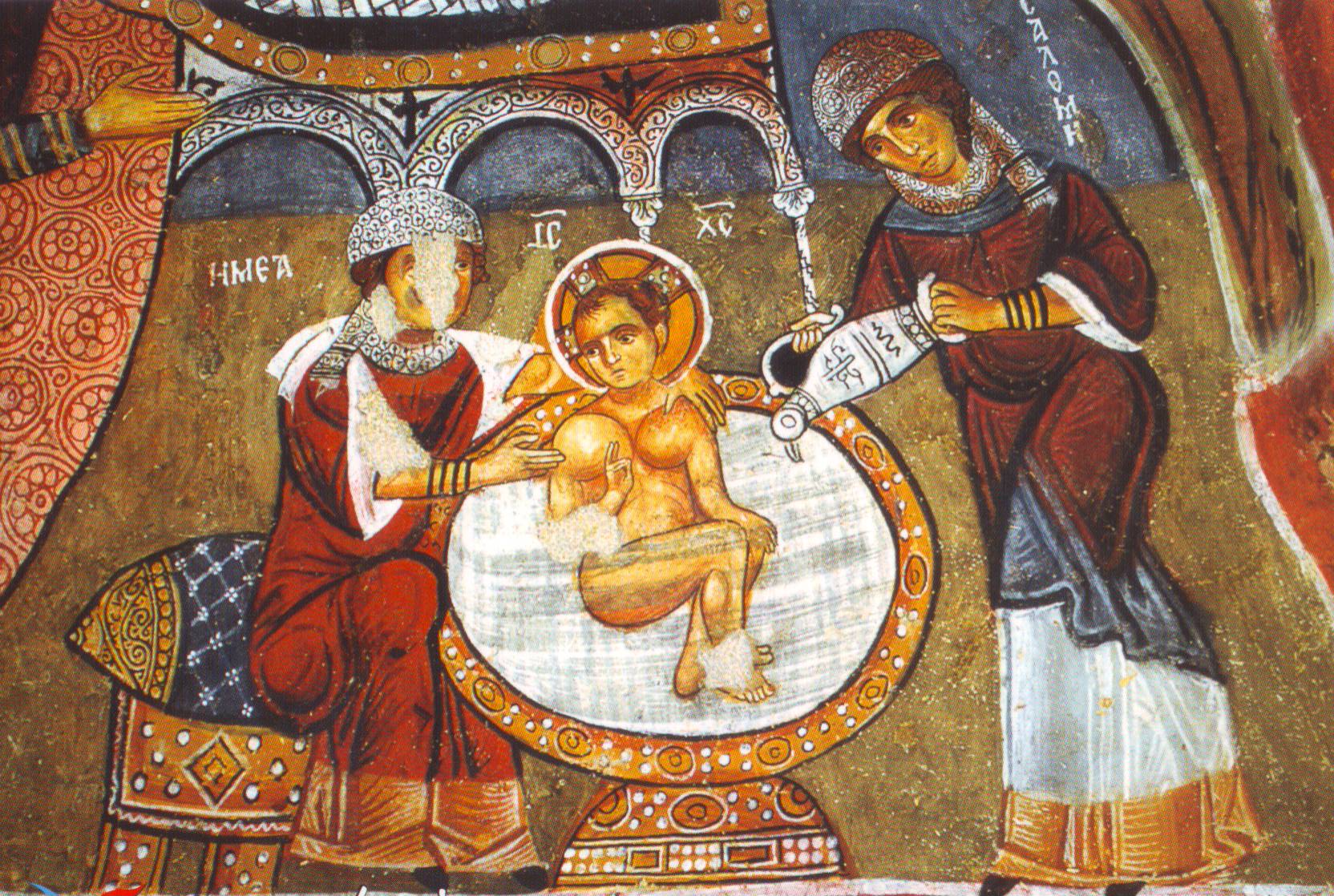
There are two women named salome in the bible, but only one is mentioned by that name Salome is identified as one of the women who followed jesus and ministered to him during his earthly ministry The righteous salome was the wife of zebedee (matthew 27:56), the mother of the disciples james and john, and a female follower of jesus.
Salome, daughter of herodias and stepdaughter of the tetrarch herod antipas
She was the immediate agent in the execution of john the baptist, who had condemned her mother’s marriage to herod. Explore the biblical account of salome, a figure closely tied to jesus and the early christian community Understand who was salome in the bible. Who is salome, the daughter of herodias
Salome is the daughter of herodias, the wife of king herod She is unnamed in the biblical text but named by josephus in the jewish antiquities (18.5.4).